

Crested Butte's history began with the Ute Indians and fur trappers,
evolving into a booming 1880s coal and silver mining town, earning
nicknames like "the town that wouldn't die" for its resilience. Named by
geologist Ferdinand Hayden in 1873, the town was incorporated in 1880
and transitioned from mining to a tourist destination with skiing and
summer recreation, preserving its rich history in its Historic District
and Museum.
Early Inhabitants & Exploration
Ute People: The area
was originally home to the Ute Indians.
Trappers & Prospectors: Fur
traders arrived in the 1850s, followed by prospectors in the 1860s,
discovering precious metals.
The Mining Era (1870s - 1950s)
Name
Origin: Geologist Ferdinand Hayden named the prominent peaks "the
crested buttes" in 1873 while surveying the region.
Incorporation:
The town was officially established and incorporated in 1880.
Coal &
Silver Boom: While silver was found, coal (both anthracite and
bituminous) became the main driver, making Crested Butte a major
coal-producing area by the 1880s.
Immigrant Culture: Immigrants from
Europe (Italy, Yugoslavia, England, Germany) formed distinct
neighborhoods, contributing to the town's unique character.
Decline:
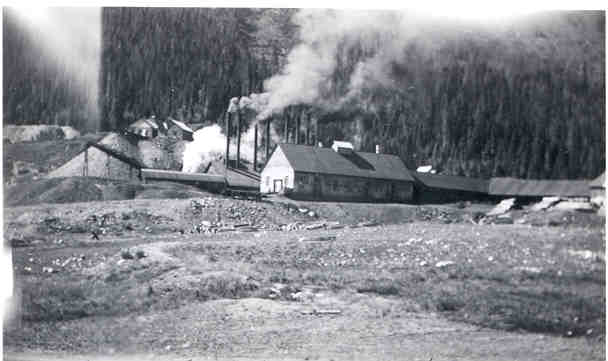
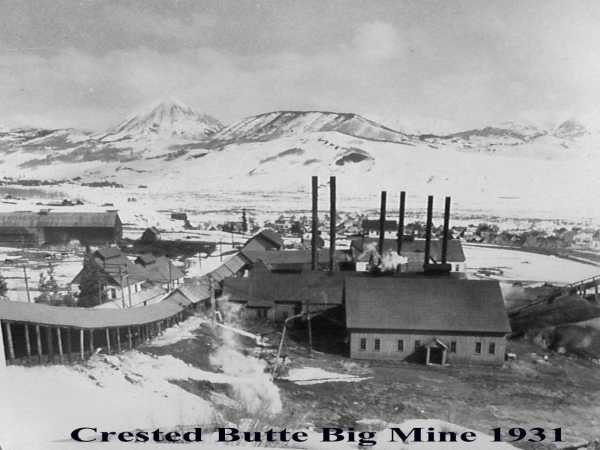
Mining operations, including the major "Big Mine," declined, with most
mines closing by 1952.
Transition to Recreation
Survival: The
town survived its boom-and-bust cycles, earning the moniker "the town
that wouldn't die".
Ski Resort: The first ski area opened in 1962,
ushering in a new era of tourism.
Modern Era: Today, Crested Butte
thrives as a center for winter skiing and summer activities like hiking,
biking, and wildflower viewing, while maintaining its historic charm.
Key Historical Sites
Crested Butte Historic District: Features
well-preserved buildings and alleys from its mining days.
Crested
Butte Museum: Preserves and shares the history of the region through
exhibits and tours.
If you have questions, contributions, or problems with this site, email:
Coordinator - Available
State Coordinator: Rebecca Maloney
Asst. State Coordinators: Betty Baker - M.D. Monk - Norma Hass
If you have questions or problems with this site, email the County Coordinator. Please to not ask for specfic research on your family. I am unable to do your personal research.