Cheyenne County COGenWeb
COGenWeb a proud partner of USGenWeb
The Homestead Act of 1862
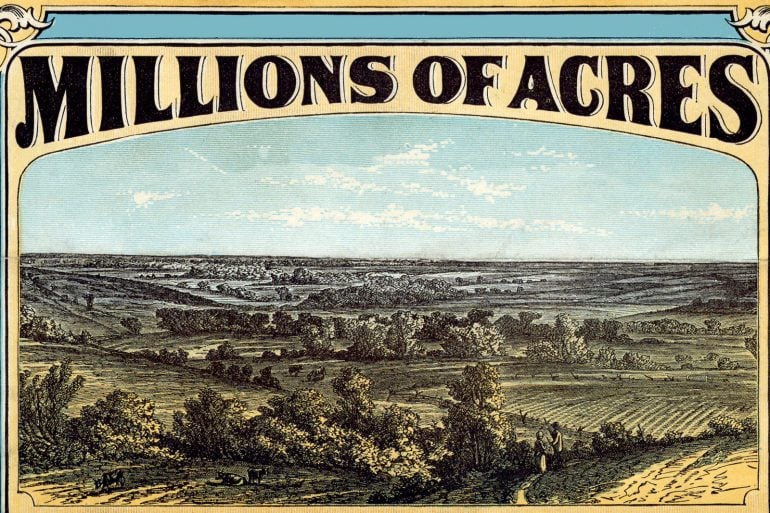 On January 1, 1863, Daniel Freeman, a Union Army scout, was scheduled to leave Gage County, Nebraska Territory, to report for duty in St. Louis. At a New Year's Eve party the night before, Freeman met some local Land Office officials and convinced a clerk to open the office shortly after midnight in order to file a land claim. In doing so, Freeman became one of the first to take advantage of the opportunities provided by the Homestead Act, a law signed by President Abraham Lincoln on May 20, 1862. At the time of the signing, 11 states had left the Union, and this piece of legislation would continue to have regional and political overtones.
The Homestead Act of 1862 significantly impacted Cheyenne County, Colorado, drawing settlers to claim 160 acres by agreeing to live on, farm, and improve the land for five years, fostering an agrarian society amidst challenges like drought and the Dust Bowl, with many claiming land for wheat farming and ranching before the Act ended in 1976, leaving a lasting legacy of rural heritage. 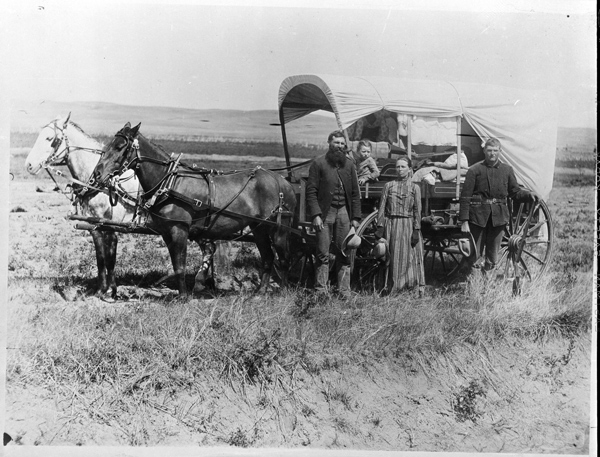
The Homestead Act was crucial to developing the Eastern Plains of Colorado, turning open prairie into farmland and shaping the communities, like those in Cheyenne County, that thrive on agriculture today.
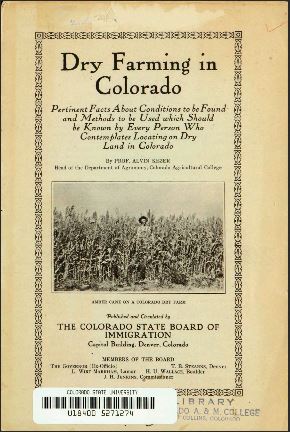 How the Homestead Act Worked
- Eligibility: Any adult U.S. citizen (or intended citizen) who had never borne arms against the U.S. could claim land.
- Requirements: File a small fee, live on the land for five years, build a home, and cultivate the soil.
- Land Grant: 160 acres of public land.
- Final Title: After five years, settlers received a patent (deed) to the property.
Sources:
- https://www.archives.gov/education/lessons/homestead-act#background
- This text was adapted from the article "The Homestead Act of 1862" by Lee Ann Potter and Wynell Schamel.
- Citation: Potter, Lee Ann and Wynell Schamel. "The Homestead Act of 1862." Social Education 61, 6 (October 1997): 359-364.
This page was last